00:10
seeing money coming in and then a huge ego trip. I was so on top of the world. I was like, I am the […] boss. I made it. I'm 20 year. I spent I spent it
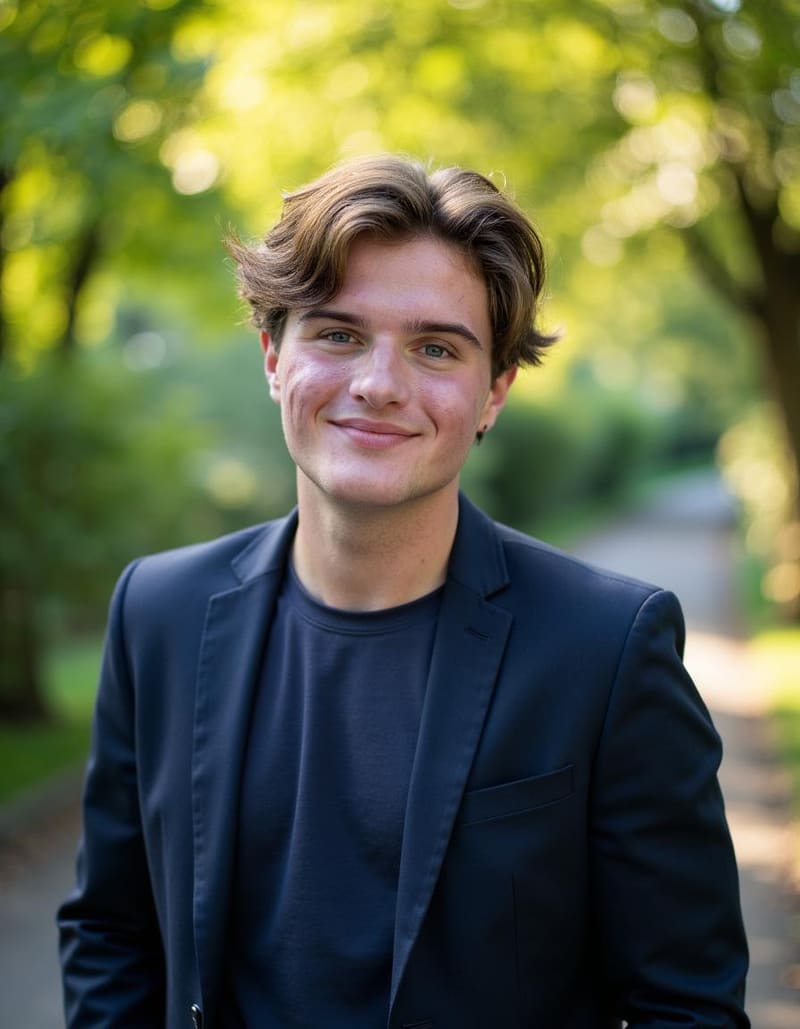
I continued spending it all. Actually, I don't have any money left. Welcome back to the Dirt Path podcast. We're continuing our series from Chiang Mai, Thailand with today's trailblazer, Danny Visnakovs. Danny started nomading and took the leap from his 9 to5 to pursue his own business at the early age of 20. So, in today's conversation, we talk about that early success in multiple different areas, as well as how he's navigated over these last years. And finally, how he's become the expert in ads. All right, let's take a walk with Danny. I want to clarify because I'm pretty
01:12
sure I know this, but you are Russian, right? But you lived in was it Austria, Germany for a long time?
So I was born in Latvia.
Yeah. But I speak Russian.
Maybe that's why
I choose not to identify with Russian
Okay. Yeah.
And also, as a matter of fact, I didn't I never I never lived in Russia, right? Like just I was I was raised in the language and and a lot of culture of like Eastern Europe stuff.
But I wouldn't call necessarily Russian. Then yeah, I moved to Germany when I was 8 years old and lived there for 14
Okay. And then I'm curious about your upbringing like from Latvia to Germany a little bit before you kind of go off and you know start business and the working world. Like how was that growing up there and everything
in Germany?
that sucked. Like I was different. I was a foreigner. I didn't speak the language properly. We
02:13
changed schools. We changed places quite a lot. So I was always the outsider and the clown and the guy that didn't speak the language and and the weirdo kid that was probably very overwhelmed the whole situation tried to make the best out of
A lot of like clown stuff and like like lots of bullying and and stuff going on. Hard times and also like the culture is so different
like where in in Latia I mean it was also like only first and second grade. I remember being good at something in school wasn't a reason to be bullied. Whether moving to Germany, you were weird if you would like participate in in class.
And it's still very similar. Germans don't like people that do […]
because they are taught not to do […] and not to be outside of the system.
Well, I think we're going to come to that later. And uh yeah, and then at some point it just settle down and get more balanced and balanced and balanced out and just get like usual, I'd say.
Mhm. Mhm. Yeah. It's I'm sure so we
03:14
moved around a lot in the US growing up there was a lot of differences between the places we lived. Like we lived in Kansas for a while
um when I was in elementary and then we moved to DC. Stark difference.
Like is Kansas and Texas?
Kansas is its own state. So in the middle of the US,
right? Um
not a ton of people there and it was very like sports focused.
Right. Uh very competitive in that in terms of like when you're in school. Then I moved to DC and it's the opposite. It's very very competitive
and liberal, right? Like very
Yeah. And then as well just more
right? Like I was one of the only white kids on the bus, right?
Oh, really? Yeah. Oh, yeah. Um but that was very interesting for me to maneuver because and then I you know later we moved to Arizona I lived many places but switching like oh wait now you're not competitive on the sports team you're
04:14
competitive on this you know and um I can imagine switching countries
is that much more elevated right I couldn't pinpoint what exactly was different I didn't I never really reflected on But it it was it was just such a toxic environment in general to like kids are […] Doesn't matter which country you're from. Like generally kids are just not I mean they're not doing this on purpose but but like teachers the the program the social the social circumstances the infrastructure everything has a has its own say and leaves a stamp. I'd say I I couldn't pinpoint what exactly is different, but the people are just like the the way the way Germans think. It's it's a completely different world.
Like they grew up with different stuff. We grew up like, you know, Eastern Europe European countries didn't grow up with much,
05:14
Except governments […] them over four times in a row,
And then and then Germans had stuff like it was weird seeing all of those rich people suddenly like, "Oh my god, you have a house and that's like a normal like you're in the middle of nowhere in Bavaria and guys have villas and drive expensive cars and it's all walkable and you can go to the bakery and it's normal thing that kids go to school and they have like a sausage bread from the bakery for €2. I was like I didn't realize but it was it was weird.
Mhm. It's different how such a small thing like being able to take something from the bakery in one culture or where you come from is very normal and the other one it's it's interesting those little details how they can be magnified and like what you remember to this day.
Yeah. Yeah. There were it was just it was just like being in a I don't remember much to be fair like it was I'm not sure why probably because it was some some some tough times but it was all very very very much washed away like
06:15
the school times when I moved to when I moved to Germany
but it was different. I still remember until today the first year I actually made friends in a school and we stayed there for a while.
I was so happy suddenly and I like started enjoying going to school and it was becoming like a social circle some of the some of the kind.
And nowadays I really realized I understand Germans because I learned them. I had to like I had like to adapt which made me super resilient like I'm I'm I'm in my own we say uh I'm in my own soup wherever I go like it's it's always it's always easy to navigate
which is I think a skill I was learned by constantly moving I guess maybe this has happened to you as well
for sure
and then I talk to Russians let's say that are from Russia that have lived all of their life there and I speak their language perfectly but I don't have the cultural code I don't get the memes, but then when it gets more complicated, I don't get their mentality. I don't get their soul. Like they're, you know, they
07:17
might say something that sounds sad and you're like, "Oh, are you okay?" And they're like, "Yeah, no, no, that's how they think." Like, I don't have an a perfect example for that. But then I realized when I come into a group of new people and they speak German, I know what to do. And I did not know what to do with other people. I learned them. I understood them because I lived most of my life there but I didn't learned how to navigate it in a and this has opened so many questions about myself like why am I why is it such an important thing to know how to communicate and what to say next and how to build a conversation well to protect yourself I guess by well when you're constantly moving
to learn how to fit in
to not be like the weird kid on the outside but to like have friends and and find your group. Um, I'm curious. I want to get to so much with you today, but one thing before we transition here, I'm curious if you know, one of the first questions people ask is like where you're from. Um, and because you moved around when you were young and now you're moving around all the time, you
08:18
know, like myself, is there one place that you feel like is your home or that you really identify Somebody said I'm a I I'm feeling like a world citizen and I probably would identify most with that.
I used to say I'm Latafian. Then I used to say I'm Russian for whatever reason. Then I used to say I'm German. Really also depends on who's asking.
To fit in. So if a German's asking, I'm going to be like, "No, I'm special. I speak German but I'm not from Germany." And if a Russian's asking and be like, "Yeah, I speak Russian, but I'm not from
Which is super stupid. But but like I I like myself personally I don't feel bound to a specific nation at all.
I actually disagree with the fact that it's so important in the first place because I feel like especially in the Eastern countries this is a big part of your identity because they took away everything else in the past like as a propaganda measure. So you're not courageous and brave and um I don't know
09:19
respectful or kind. You're just Russian or like you're just North Korean or you're just like I don't know American as well, you know. So this like goes in the foreground instead of who you actually are as a person and I yeah that's why it's always been so hard and I never lived in any place for long enough. Now I live in Thailand. Am I Thai now? No, probably not. That's that's that's more difficult.
Yeah, you're I'm actually not ty I'm Estonian and Latian so I guess I u would go with that. So, is it fair to say that plays a big role into maybe you feeling more comfortable to nomad because you started nomading really early on, right? How old were you when you started
Oh, yeah. I mean, I'm 22 now, so it sound like a lot of a lot of things have
Yeah, I think it was easy to leave because we we always moved.
I don't know how it held for you. You also you said you moved a lot, but it didn't feel like a big thing to do. Like people were like, "Oh my god, you're moving to Portugal." I was 19 years old. I got a job in Portugal.
And I was like, "Yeah, like
10:20
I I I used to say as a teenager, I really liked this." And no reason to stay is a really good reason to go. And I and I think that was the influence that was the consequence of uh moving around a lot with parents.
Mhm. Yeah. For me, it was it was similar. I think it's a lot easier for me than like Paige, for example. She was born and raised in the same house her whole life, you know, in in outside of Boston. Most of her family, pretty much all of her family is in New England, you know, never moved. And so for her, like she really wants to go back there and that's her home base every year. And for me, when we met, I was like, okay, that can be her home base, you know, because it's wherever I'm at at the moment, you know, wherever my suitcase is, like that is home.
I've developed habits I can make it feel like home. Um, so I think that upbringing does really do something I think for you.
I think it's survival thing. Like I wouldn't say we're both traumatized, but we probably are in some way just just by
11:21
the fact of constantly moving. I think it's very important for a child to stay in one place for a long period of time.
I think those connections that you build and you don't build are very very
And then we I didn't have those or or they were very painful
and now I feel like it's so I'm settled down now. I live here in Thailand now. I got a house for the next 12 months.
It feels very nice and anxious as […]
it's it's a I need to relearn everything. I need to relearn how to
I felt like I was running for the past 3 years from something to something. Probably more to something than from
And now I'm like driving somewhere. It's like, oh wow, I really need to learn how to be in one place and to stay committed to not my partner, not the job, to rest and be peaceful. Well, it's very it's very weird. But yeah, I I was always like, "Oh, I don't care. She like partner wants to go to Canada because of a visa." Okay.
I don't I don't mind.
Yeah. It's interesting you say the the running or like chasing.
12:21
It's one of my favorite questions to ask
What are you running away from?
Either what are you running from or what are you chasing? Cuz I do think it's one of the two like for moving so quickly. Like I thought when I started
I was chasing something. It was my dream to live abroad for so long,
Everybody, I think,
and there are so many people I've met though that are 100% running from something. And it's so easy in this life. And there's been periods when I've noed that I was running away, you know, because you can travel quickly. You fill up your calendar with all of this stuff. And whatever it is happening back home, friends, family, you know, business, you can kind of fill your life with so much of experiences, you just can wash that away, right?
That's very, very, very true.
Like broken heart, very easy to run away from, fill up the calendar, change countries. Like it's it sounds crazy to people back home probably, but like yeah, you got a broken heart to just book a flight out.
But it works. And then and then I I
13:22
think I think the yeah I I cannot answer your question uh if I'm running away or chasing something because I do feel like it's also in phases. Right now I feel like I'm trying to run away from something that I committed to which is harder than chase.
Chase feels more positive than run away if you're aware. I mean people do run away and chase something without being aware of that. I think if I was chasing something I was not aware that in the past 3 years but if I'm running away from something I'm like ah you know there's a reason you just left. Why didn't you just stay? But but like the sweet spot is in between, right? It's like what Buddhism also also like says like you got to you got to live in the moment. The present is the present and the future is the future. You can't decide anything. You only know
which is an amazing thing to embrace and do which is very very hard. But but then if I could choose I would I would chase chase freedom or whatever nomads love to say.
Yeah. The next stop I'm in Russia for the new client of the new country and the new Instagram post and status symbol of being an OM.
14:24
Yeah, it's big, huh?
Boom. Yeah, it's an identity
for sure. And it it changes all the time. And I don't think it's realistic. Although we want to be chasing, right? I do think it's more in a positive sense. It's just not realistic to think that it's always going to be like that. Um, and that's okay. And I I really love that you talked about coming to Chiang Mai and you're 12 months kind of anxious about it, but that's a big step. Um we're talking about maybe going back to Maine for like 6 months.
Um which for me in the last few years is is a big step.
Um and getting more of like a home base there and slowing down more
and definitely mixed feelings. So I'm I'm curious to you know hear from you in you know 6 to 12 months of of how it's
Yeah, let's talk again. But for now, I can say it's a it's a huge I I think even because my expectation levels of staying in one place were so high of
I feel like I generally have high expectations of myself and I didn't know
15:24
that's in a negative way. But then settling down here was connected to okay, I'm going to be better in business, better in discipline. I'm going to go more often to the gym, take care of myself, I'm going to be more peaceful, I'm going to have more rest. And then suddenly it was not peaceful and it was not restful like I was moving places. I was choosing the house. I was it's the end of the year partying with friends and all of this stuff and like everybody's around and and it's like you don't have this and then I expected myself to do so and now it's like and also just more more time to like process things that maybe have not been processed in the past years. I think it's a big step man I'm happy for you. I think that's awesome. Um
thank you.
Let's rewind back. So you said 19 is when you moved to to Portugal. Was that your first job and everything then?
No, not the first job. I worked since I was 13. Like, you know, being the newspaper guy,
a newspaper kid.
And then uh this sucked. I earned €20 in a month and it was uh basically a
16:24
full-time job for a kid
next to school. And then when I turned uh I believe the legal age to work in Germany is 14. 14. With 14, I applied to work in a bakery. Hence bakery. Interesting. And uh worked like 40 hours a month for uh €450. And then I started photography on my own as a I wouldn't call it a business uh friends and family and maybe some little business like a matter of €1,000 in total probably. And then I started working at an offline marketing agency which was also co-working space where they gave me an opportunity which I'm very grateful for to explore more of the more of the business side with a lot of pressure though like a lot of self work like you know selfm motivation work where I did not do it myself and like that was an interesting experience that I only understood how they felt like a year a year later when I actually became
Mhm. But that was cool, like websites
17:25
and graphic design and stuff. And then I uh finished school and uh was just sitting there and working at in the nightclubs uh in the in the night and two full-time jobs during the day doing like 80our weeks plus night and I was like, "Okay, I I can't go further like this for long enough. So, let's just apply to something somewhere and flee to Portugal." Yeah.
And was that excuse me, so that was based in Portugal?
Yeah. Right. At one I mean it sounds like you did jobs all over the spectrum. When do you think like the entrepreneur spark kind of hit you or when do you think you had that idea that you wanted to do something like that? I mean, from midnight conversations with best friends to opening a kebab store and calculating how many kebabs you need to sell for $350 uh to be rich uh to actual business spark, I'd say I was 19
18:25
or 18. I was a photographer and I had a website that I built for myself and I was trying to I bought marketing books and how to market myself but was just very lazy and very um yeah I just didn't have the belief I guess or maybe the motivation or the energy to do that.
And then the actual idea of oh my god I can actually make money working on my own hit me in Portugal.
Okay. So I had a mentor and uh also a very good friend that was also at the same time in Portugal but he was already self-employed for years and an digital nomad for many years like for 9 years at that time already and we met there and then we bonded and then without any further ado because I was so interested in the topic we learned there he was like do this so I did this and the first moment where I realized that this can make money I was I just got to repeat that 10 times and I'm going to make 5K a month. What?
That I think that was the moment. It
19:25
just it it's a switch that flipped in my
It's the first sales conversation that went well.
He negotiated me down from 600 a month to $500 a month.
And I and then I and I I hang up the phone and I'm and I'm standing there in between the office and the metro station and I'm like, "What? Somebody's willing to pay me what I got in a month working as a teenager in the bakery for something I assume is going to be 20 times less work. Something just something was like, "Okay, that's it. That's it. I cracked it. Just do this."
And you were still at that time you were still working like a 9 to5 and this was on the side, right? I'm curious like how long did you kind of do both of those? And did you when was the moment where you decided to kind of go all in and leave the 9 to5?
In August 2023, I left Portugal and I
20:25
quit my job. But by that point, I was already making €3,000 on the side plus the 9 toive job. I think after 3 months in Portugal, I started my So the founding date of my company is March 2023. This is when where I sent the first invoice.
And then in September, August, August, I left. So how many months is that? Three, six, six, five months. Five months.
And so that was you left to go nomad and you left the 9 to5 at the same time. So that was when you were what? 21?
20 20.
Young man.
I think I saw something. I was looking on um your stories on Instagram about you and I don't know if it was when you were 20 or 21. You said you started already to make six figures.
That was 20.
So you're 20.
21:25
You're making six figures. M you've had success with the business to like go start on your own because you're already doing it with the 9 to5, right? So you already had that okay, I can do this. You start nomading at 20 years old.
Do you think like I mean that's just a lot of success or different like dreams people have to
do at such a young age.
Was there like how have you been dealing with that? How do you like when you were
spending it all on alcohol and hookers? What do you mean?
No, that was um that was weird. That was so exciting. The numbers didn't make sense. I mean, when the switch flipped and I did the first 500, he didn't he never paid. He never paid. He He didn't like He did the job that had to be done to my hand, but he never actually paid the money.
So, just the idea of someone willing to pay this money was already enough. But then seeing money coming in and then a huge ego trip, I was so on top of the
22:28
world. I was like, I am the […] boss. I made it. I'm 20. I'm making like what I was making 3,000 when I left Portugal. I was like, yeah, I spent I spent it all.
I continued spending it all actually. I don't have any money left. Um, so it took a while to, you know, but but but then it also very quickly became very
Very quickly became very normal. Like things just changed after the first 10,000 a month. It's just a number or and then and then it's like, oh yeah, whatever. Like what's next? Mhm.
The dopamine was so so huge of such quick growth and the possibilities and like the whole the whole thinking of how I perceive the world completely flipped. I used to be a lefty communist. I think every teenager should be you know I want to save the world. I want to do something for the government or for for a nice country and then you start making money and then I think a lot of people realize yeah there is some truth to that
23:28
but not all of it is. And you start thinking more about what can I actually do impactful about it but other people still perceive it as like oh my god you have so much money you make and then you're like that's not that's not a lot of money at all that's like nothing that's peanuts I want to make 50 and 100 a month and then it's still nothing yeah but like just perceiving the world in general where do I put my energy in how do I see I don't know maybe geopolitics in some way or maybe like how I perceive like people from poorer All of this stuff just just flipped. My views on life changed so much when I started nomading.
and the travel like contributes a lot.
Right. Right. Like you, you know, the US is big, but you get out of that bubble and you're like, "Oh, wow." You know, very different cultures, very different, you know, ways people live. I mean, like we had like when we were talking growing
but when you know met and you live in a
24:28
place and you see somebody making no
but they're happy.
Yeah. Weird, right?
There's a place around here. I went there uh today. It's just a little juice shop, right? The guy I got like a mango shake and and this little juice shot
and Paige was talking to him yesterday and he you know worked a really nice 9 to5 in Bangkok or something and just got super burnt out and so he came here started to juice up and he said you know I I doubt he makes a ton a ton of money but every time you go there he has like the biggest smile on his face
you know just serving people and he always he always gives you extra so I order the mango shake he also gives you like a b bowl of fruit or something you didn't just to surprise you, right?
And so it always I think is with you that idea of success and coming from the US, the way we see success so often is
very perverted.
Yeah, it's interesting. It's like what
25:28
you have, right? It's
the house, the car, how much money you
Also status. I think nomads have less of that. We I think we have this in like our experiences. Look where I travel. Mhm. Mhm. But it's interesting when
I think you grow so quickly.
When you start to travel and same thing building a business like I'm I was telling you before we started I'm probably in a month going to be finally launching and I'm already starting to like change a lot with that. Right.
So I can only imagine you're 20 years old. You're doing both of these at the same time. I mean, life must have just been like F1, you know, just zooming by um and changing how much you have. I'm sure it's been a lot to look back on, I would think. Yeah. I It was also painful. Like, this is what people underestimate. Like, it's all very nice on Instagram or if you talk in person, but then it's lonely.
26:30
like, okay, find a girl that's 20, that understands a 20-year-old that just made his first 10K and does not want to find himself and it just wants to explore more of this while traveling. Finds find love first of all, like or or someone someone in general that will like all of my friends are 20 years plus older than me or like 15 years older than me or 10 years older than me. All of my previous partners older than me. My my girlfriend right now is older than me and the communities I'm hanging out with. It's like so I I still have the young energy to go out and drone and drink beers three days in a row at in the evening. But but I would like to do that with the people with our friends that we both know. But they're like, "No, no, no. It's 8:00 p.m. We're going to we're going to go to bed." And then and then you suddenly need to hang out in a bar with a bunch of other 20 year olds. And then you suddenly realize it's not fun anymore because it's just super under surface conversations and you don't want to answer the same questions
27:30
all the time. Oh, what are you doing? I have my own business and I live in Thailand. What? Oh my god, it's so crazy. Oh, how do you make money? How do you find clients? I get it. Like like but it's just not the type of conversation I want to have anymore. And yeah, and then then you got to you got to be okay with being lonely and that is Yeah, that's that's tough. Or like I wanted freedom. I had no idea what freedom is. And then I would not call myself free at all. Which is funny because this also the p the the perception of freedom changed a lot. So I would call myself less free now than I thought I was like 2 years But the price of even a tiny bit of freedom I gained was a price I think most people not ready not ready to pay. I think there is a lot of courageous people that just will would have needed to someone to show them the way which I I which is why I really respect your business idea to like show people where you came from like an engineers.
28:30
Mhm. I don't know if you want to have it on the podcast already, but to like show people and tell them exactly this is fine, you're good to go, like and this is a valid dream and like this is possible because this is what someone did to me like Dennis did that to me
and that was so valuable like to having this authority especially as a young guy of a of a guy with no hair telling all of the stories, all of the drink dranken drinking drunk wine bottles and and like experiences he had and being like, "Yeah, do this. So you're going to have the same was very very very important.
So important. I I remember um so I wanted to go nomad and I was long story to get there but this is the point where I had confirmed you know I had found a company that would let me do it and it was like a six-month window that they would give me um that I would have to be in the office before I could start traveling. Right. And I don't have you ever heard of traveling with Kristen?
No. She's like one of the, you know, original nomads. I was posting online on YouTube. I think she still does of, you
29:31
know, how to be digital nomad and stuff. And she had a podcast I started listening to and gave away like a free call or something. And I won.
And I remember just getting on and asking her like the dumb questions, you know, like
How am I going to, you know, what do you do for insurance? Like what do you do for like the things that you tell yourself are the huge blockers?
Yeah. That a quick Google search or something like that can easily do. But
but there's not even you don't even know you can ask this on Google. That's such a different perception of the world. That's what I'm saying. Like you think differently as soon as you start
and maybe traveling, maybe making money, maybe like interacting with different kinds of people. It's weird, right?
And it's not long ago for you either that you started noming, right? It's like so crazy how quickly your mind
Yeah. Yeah. It's been less than 5 years. Coming up on five years of
Yeah, the power of having something that's somebody that's been through it
to guide you to that.
30:35
it's hard to put like a monetary value on that sometimes. You know, people do, right? People do.
But um it's a fair That's the thing. I think if you have been through this, you know how fair the price might be. I would have like €10,000 and I'm going to show you how to break out of the out of the life. Worth it.
10,000 years for someone who has not been there yet. What the […] That's a lot of money that I don't have
for something I don't understand. Like, how do you I think mentorship is very hard to put it. I think mentorship is maybe at this level in my life and at this level in business, mentorship is not possible monetarily. I think it's it must be it must be from the will like no not the will from the personal fulfillment you get to show it to someone else how to do that and it's so hard like I can't even imagine how much effort and energy my mentor
31:36
previous mentor he put into me and now remembering ing stuff his size sometimes like it's like I get it a little bit now like working with someone that asks okay but how does health insurance work and you're like oh my god like I've been doing this for 9 years I need to deal with this […] by but you see potential I think it's hard yeah
yeah for sure I want to go back to the kind of success part because you talked at first especially like it was really about the money for you I'm curious of if or how that's changed now and what maybe your goal or or
I wouldn't I wouldn't sign that it was only about the money for me it was more about the Huh what was it about I don't know what it was about I just wanted to do something I always had this intrinsic energy inside to go somewhere and move into something like for since ever since I know myself and then the
32:38
Money just puts the price tag away from doing stuff, right? Philippines. Okay, cool. Let's go. And like, oh, this. Okay, cool. This drink or this drink? Whatever the bread costs. Okay, cool. Money is just a very nice helping tool to do stuff you want to do or to help people you want to help. And I would say it became actually that's weird. I don't know. It's it's a tough time right now. Like it's um settling down here also brings all of these questions up again. What am I doing this for? What is actually important to me? Where do I want to go? And I understand that money is a very important tool. I want to have more of that for the sake of having it. For being able to use it as a tool to grow even more. First of all, I like the game of business.
It's a hard game, but it's an interesting one. How do I what what's the what's the knob I can turn on to to
33:39
make this specific thing I want to make work work? And it's also nice like but like you I don't need the money anymore. I would need money in the bank account to not be anxious about it, but I would not suddenly spend like if my costs of living are 5 or 10,000 a month, you already have everything you want. You don't need more stuff. You just don't I mean except you're living in in the States and your cost of living maybe like I don't know 15 20 double that. But after that nothing changes. You don't drive a nicer car. You don't drive a nicer motorcycle. You don't suddenly start buying watches like an idiot. Your house is already a nicer one. Like you don't suddenly you still eat steak like right like that that doesn't change but the possibilities to do a bigger impact and this is where I am right now like what I want to do actually do I am I going to just continue doing business for the sake of for the sake of making more money that doesn't sound fulfilling anymore that's like okay cool but I'm already happy I scale put in the energy be anxious about it invest to just make
34:39
more money for what what what am I going to do with the rest of my day right like what is what are the things I actually enjoy as a person and to um detach from a work related identity because I think a lot of people I you're I think it's not even on only American thing anymore people like our identity is so bound to what we do for work in business if you talk to to nomads and you're like what do you do nobody's going to answer I ride a motorcycle on the weekends and I really like sun and cold plunges Nobody says that. People say, "I run ads and I'm helping businesses achieve blah blah blah blah blah blah blah." Yeah, we know, but what who are you? And I don't know who I am. I don't know what I want to do. And that has been a tough time in the past 2 months to actually like it's painful to realize that. So, I can't answer the question. It's a path. It's a dirt path.
No, it's it's a perfect answer because it's where you are right now, right?
35:40
we don't have things all figured out, you know? I'm 30,
done what I think are cool things in life, but at the same time, I have a lot to figure out and I'm doing it every day excuse me, I finally feel like I achieved clarity on like the business idea I was telling you about.
Thank you. But there's still days where I'm like,
"This is stupid. This isn't going to work." Right.
And I think that's the reality. And I really appreciate you being open on that because for so many people on the outside, you've achieved things that like they dream of. But it doesn't just stop. Like when I I remember when I started nomading, that was I mean I dreamed about that. I talked about doing that for probably 8 years before. And so that first like 10 months I was in Europe, it was the ultimate eye,
you know, like just going going, doing
36:40
all of the things. And then, you know, the next five months I go to Asia and I kind of get there and I was just like, now what?
I accomplished this lifelong goal.
So now what's next to do? Um, somebody I'm not sure who said it, might maybe my ex-mentor or somebody on the internet or some friend, he said needs are endless. And that's the whole problem about putting your needs as a goal. Like I want a house. I want to make 10,000 a month. I want to be happy is also a need that you should not put it as a goal
because it's endless. You can't be like there because there's all it's it's never reachable and as soon as you reach some sort of goal you're going to be like okay what now my goal like that there's a study about Olympic uh uh Olympic winners having a falling into depression after that because that's their because not all of them obviously but a lot of them have this as their
37:41
life dream goal they work for years on that they're going to go out of the age for that at some point right they're hustling and hustling and fighting with their own bodies and they win and then they're like, "Oh,
What now? What now?"
Yeah. You achieve the height of all heights. I think it's, you know, not just like all sports, you know, a lot of athletes go through it. I know football players like for the US, American
you hear about it. It's a very common story like you just don't know what to do next. And sports is so unique where you achieve your greatest level at such a young age comparatively that it's just weird this weird thing of then you have to figure out the next thing because it's I like what you said it's not about happiness it's about fulfillment right contentment
yeah I like I like contempt as a goal like being peaceful as a goal it's a way it's a way more easier goal to achieve to be peaceful and doesn't necessarily
38:41
require specific things to exist But that's only a thought for now. That that might change completely in two months.
Mhm. Let's go back to the story for a little bit in terms of So you leave to go nomading, you leave the 9 to5, you're doing the business 100%. How did that go at first? Was it straight up and to the right? Did you have, you know, some moments where you felt like I don't know if this is going to work out? Feeling like you want to quit and go back? Like what was that
Yeah, of course. Like I multiple times thought maybe I should go back home to Germany and be like all of the other people and go to university. Maybe that's what I'm liking right now. Or like what am I doing all of this for? So the first time I remember I was sitting in Bali with still this uh this mentor with the guy and we we had a night out. We were sitting in the morning eating some burgers, a huge
39:41
burger, palm tree, some water there. Crazy scenery, crazy. And it suddenly comes to my mind. I'm eating this burger. I'm looking at the burger. I'm looking to the side and I'm like I got so sad. I'm like, what the what what am I doing here?
What it I was literally sitting there and my thoughts were just like, should I go back to Germany? Should I start going to university? I should call mom. I should ask her what to do. Like I don't know. Maybe what like what was completely lost for out of nowhere because goals were achieved at that point because the needs were fulfilled and then suddenly they so my my uh goal at that moment in life when I was a teenager like I still have when I was a teenager uh was to be happy and focus on myself like you know Maslo's pyramid suddenly you want to fulfill this top
Mhm. […] sucks it because there's nothing after the pyramid. Like there's nowhere to go after after you hit the peak and then I was sitting there and I I had something to eat. I had something to drink. I you
40:42
know could have could have women if I wanted to. I could have nice work. Uh I I could travel wherever I wanted to. And then I'm sitting looking at this burger. I don't know. It felt so such an like such a nice metaphor. Overkill burger with this scenery and like and lost
and and I think it was always a matter of uh a bigger goal that is some somewhat more impactful or now I am more anxious about my work that I used to be. I just had a conversation yesterday with someone that gave me a lot of energy again and like forgotten almost forgotten thoughts and ways to think. That's I think what people often don't realize that the way you think about things is so powerful but and and this guy like a black guy uh successful as well. He would never say he's he's successful and that's what makes him so like humble and he's like yeah bro you know and he has this and he was like
41:43
yeah yeah you got to be like a choo choo train. You just go. Super funny guy. Super funny. It like gave me a lot of energy yesterday and and it's uh it's a spiral down sometimes like if if you don't if you don't catch on it quickly enough that you're like thinking negatively. Just goes down and down and down. What am I doing this for? Like okay, the clients are not paying. Why are the clients not paying? Oh, I get a call. I don't have a contract with the client and he wants to call. Is he does he want to quit? Like does he want to does he want to cancel? What the […] What's going on? It's a big client. What do I do? Yeah, there's both parts to it. And then now it's better again because I'm like, "Oh, okay. I'm going to propose them a deal, you know, cash up front, whatever." It's like it's it's a it's a it's a constant roller coaster. Yeah. And I think the goal of it is to minimize the roller coasting and going up and down and making it more stable, but there's still moments.
I'm curious,
but I I think I think but I think at some point you just hit a point of no return. I would not go back to Germany. I would not go back to employment. I would not go back to university. I think that's and after you hit that and you've been through through this roller coaster
42:43
once, twice, three times, four times, which I haven't been yet, maybe once or twice yet, then you're like getting used to this process. You're like, you're more aware of it. You know, it's like having a heartbreak. You're like, I know what to do. I need to go to I need to hit the gym and whatever. I'm curious when you're on those downward spirals, have you found anything that has really helped you reset your energy or get out of it yet? Having good friends is really valuable. People that are going to listen to you and that know you from before and going to be like, "Danny, what the […] Like, what what happened?" And and and and then the the realization of like, "Oh, like Katie knows me for a while. She knows me as this particular person, and now she starts telling me things that I tell to sad people. […] I'm […] Something's wrong. I need to do something about it. Or um being more in the nature,
43:45
talking to positive people, um really trying to get back to your it's like it's like a meditation. I feel like if you're spiraling in any direction upward or downwards, your thoughts are just running free more, which is nice sometimes.
And it's about bringing you down to center again to being more aware and clear. And it's very hard the longer you spiral. Very very hard. It feels so it's like forgetting that there is this way of thinking that you can influence your own thoughts. And to get back to that, I don't think I have a manual for that
It's it's uh it's I I think it's super subjective how people do that. For me, it's sports uh sauna, ice bath, uh more nature. And I say it, but I don't do it. Like it's it's it's a difficult thing. And then maybe just chilling more out. And journaling I I believe is a very powerful thing. I say it, I don't really do it. I want to start doing it since ever. I used to do it, but you see, it's uh it's a dirt path. Dirt path.
44:46
It's hard when you're in those moments, right? Because
there's almost this weird part of us that feels good to let oursel deeper downwards. I don't know what it is. And we have these things that you saw generally nice past. Like I've I've done these things too and it it works for me but for whatever reason sometimes it's just hard to get up to go do that. So hard. It's uh it's it's weird, right? Because it's not a big deal to go and sit down and and read a book for 20 I think the social media isn't helping. Like these things you just recorded you record me on are made to that's also what uh the guy said yesterday are made to like be constantly easy to connect and they're so easy to like distract yourself from thoughts and and that's a problem I think it just makes filling time easier where being a little bit bored thinking and processing all of this stuff would help
yeah it's why I wanted to do a podcast you know I had a phase where I did
45:47
Instagram and stuff for a Well, um, and I write on LinkedIn and I try to be more vulnerable there. But
you can't ever be as vulnerable as or as deep as nuanced as if you're having an hour conversation with somebody, right? Like as you can in a 3se secondond Tik Tok, you know, like go quit and do your dream job. Okay, that's a great 3se secondond Tik Tok, but
what does that actually mean? How do you do that? You know,
what are the actual realities and negative, you know, negative sides?
Yeah. The context is very important. Yeah. Uh-huh. Um, yeah. I was curious about the negative energy one because now with me deciding to leave the company and start to build a business, you know, when you're at a 9 to5, for whatever reason, I think I would let myself kind of stay in those moments longer. Like I was very comfortable, especially at the end. And when I left, you mentioned social media. I was already off a few different social medias at that time. But when I left, I
46:49
started the one thing I said I was like, "Okay, I just gained all this time. The one thing I don't want to do is just like scroll, scroll, scroll, scroll, scroll because I am that person that will like scroll for hours and like lose a day sometime."
And so I started like anything I was scrolling, I started deleting.
And I started to be hyper aware of my energy, what would bring it up, what would bring it down.
And I still am. And I'm definitely not perfect. Um still very much working on this, but I am looking for a lot of those things you mentioned and trying to be better and more consistent about how do I keep that in the day because when you know right now and I'm sure you can really relate to this, you're so much ahead of me in terms of building the business like when I have the good days I feel like I'm on top of the world and my business is going to be amazing. When I have the bad days, I don't even want to start. And so if you have the bad days all the time,
I I don't know how you can keep going, right? You have to see how you can have
more of the good days and ride out the
47:49
bad days and like reset.
You know, I wanted to I want to build up to the to like uh uh to this from what you said like two seconds ago about why it is easier to be negative and spiraling when you're when you're employed. I think because it's because it's easier to give away the responsibility and the hard painful but also extremely helpful uh realization that you get quicker when you're self-employed is it's only you
and it's always been only you. And instead of victimizing yourself and sitting there and outsourcing the responsibility to the responsibility to your to your other colleague to management to the CEO to the vision of the company at some point even in the spiral you come to the realization […] it's me. I haven't done the work. I have not journaled. I have been
48:49
procrastinating. I have been scrolling. I did not take care of my belly. You know like this makes me clogged in my mind. All of these things you're like oh yeah like it's super painful. Me, it's just me. And I think that's why it's easier if it's not only you because it's so much easier to outsource this responsibility and stay a victim. And it sounds very harsh because people never want to be called victims. But it's but we're not like also what the guy said yesterday. I mean um he said he said like we're we're I really agree with him. We're not special. Like I am not particularly smart or particularly tall or particularly attractive and even if I am I haven't done anything for it. I was just born this way. So it doesn't automatically make me a better person,
It's it's yeah it's what you do and then and what you what you not do I guess.
So so so yeah and then to I think minimize those extremes of good and bad days. Yeah,
49:51
it's just really important to remember how it accumulates. Like those little things you do during the day accumulate to a better progression and that it's not necessarily about having the highs, but like and and and that's and that's and that's so addicting because you want the highs, but they're not as long-term of an impact as if you would just do every day 4 hours instead of every day 8 hours and then burn out and don't do anything for a week and scroll, And also I think that people think that you need to journal, eat healthy, go to the gym, have good sex, read a book and do the every single day.
But the truth is people do all of these stuff just on different days and it also works. But I feel like it's such an expectation like oh I've been to the gym today but I haven't read like oh I still need to go for my walk now. He can, you
50:52
I'm telling this myself. Like I'm not really telling this as a tip to anyone else. I like I'm trying I'm really just trying to remember myself that I should
do at least some of these things. Like
No, it's an important conversation, right? Because we're we're both
And that's what the turf path is all
On when you're on the highway, you can kind of drone on a little bit. Like I remember literally on the highway you'd be like blink and be like, "Wait, where did I go like the last five minutes? That's scary." But you kind of know where you're going. There's signs and everything telling you and you have this vision. But on the dirt path, it's it's dark. It's windy. You don't even know if you're on a path. Like you just have to kind of have figured out and and that's what the podcast is about. So I really appreciate you going deep on that. I do want to get a little bit back to what you do because you are really amazing at what you do.
A lot of people in our circle, everybody
51:52
goes to you for ads. You are like the ads expert.
It's Clickspire, correct? As a company.
Um, I'm curious, what do you think most people get wrong about ads? Or like maybe is a common misconception about ads? A very nice YouTube video about it that's 40 minutes long which is
put in the show notes maybe
cool um a lot of things people get wrong about ads I think the question is predetermined that it goes to people that are not very familiar with ads it's more to business owners and freelancers that are that have never done ads but know they want to do ads
or think it's the next best way to do ads to like to to progress their business or they have done ads but they've burned themselves and I I think the most misconceptions are that you need a big budget. You need a lot of you need to put a lot of effort into ads to make them work.
52:53
It's that it needs a lot of time also the same as with the budget and that misconceptions. That's a very that's a very difficult question to to to answer because like what do people get wrong about ads? I don't know what people get wrong about ads
besides besides these things particularly. What about any prerequisites, Danny? Do you think when somebody starts a business, right, I'm launching this business? What do you think I should have in place before looking to do?
You need to know who you're selling to and what you're selling to, what you're selling as a product. Like, let's say you have a pet sitting
And then this service itself would be needed by different types of customers in Berlin. There might be an IT guy like maybe like you, an engineer and a man
53:54
that is in his mid-30s and the only thing he cares about is that his pet gets picked up on time. He can select the time slot for that. It's going to be efficient. He can pay online. He gets an invoice sent to his email automatically. The pad is going to be safe and all right. Maybe there's a web camera in the in the in the path room so you can maybe watch it and then it's going to get delivered back on time and it's just works and it's all going to be in blue and white colors. Just a and it's that's that's the ideal customer profile we're talking about right now. And then there's also a 24 year old vegan feminist in Berlin.
She really loves her dog. I mean, the guy also does, but just he's like super oriented on I want that my dog is going to feel safe.
I want that he gets specific type of food because he has an allergy and that's really taken care of when they do like check it before and it's way more maybe hypo hypo hypothetically about how
54:56
the dog is going to feel. So it's all maybe in softer colors and a lot about more emotional copyrightiting than for the than for the IT guy engineer type of person that is just like rationally I needed I need this to work that's it. So even for the same product you might have a two completely different approaches on how do you not even do ads but the things before that I mean every business should do something like this right it's not even about I want to do ads I need to know that but like this is how you build your website this is how you build your offer and um offer a a great offer is key for good ads if you're going to if you're going to sell a co-working and you're going to sell a co-working space ticket 50% % off this weekend only for nomads that there's a better offer than just a co-working space. Very simple, right? Or money back guarantee or satisfaction guarantee or a giveaway or whatever people thinks or offers that might attract people.
55:56
And then there's also this thing that people put a lot of effort sometimes into advertisement like producing a whole video and putting a lot of effort in the editing maybe paying a freelancer to do that to then run an ad on this and that's going to be already like a couple hundred bucks and then it doesn't perform instead of just putting a picture of text on on meta ads might seem ugly but it's not about what fancy see B-roll you have of a surfboard guy with salty hair walking into the co-working space of this new MacBook Air. It's about I want a co-working space and this is a nice deal and I'm going to go there now.
Also, there is a misconception um which I think often happens with the older folks which is I want to get my name out That doesn't work. You're not McDonald's. You're not Pepsi. You're not Burger King. If someone sees a red can, they don't think of Coca-Cola just
56:56
because they got then like so like if you are not too big of a brand and you don't have the budget we because we're talking millions when we're talking about the brand awareness because that's what it is. What you need as a business owner is a nice offer to a specific type of customer solving a specific problem and then you want to purchase. Nobody cares about who you are. Nobody. You're replaceable. Almost everyone is replaceable. It does ads on on the like on our level. You nobody cares about your logo about about about how like all of the stuff people care about their problem solve period.
So a very intentional targeted approach it sounds like.
And I'm not trying to say that all of the fancy produced videos, all of the branded stuff does not work. It's just
a different part of the funnel. It's maybe going to catch people that the intentional quick dirty part was not enough for, right? So very still very helpful. It's going to help you create a brand identity in general and to retain
57:56
customers for longer or stuff like this. But if you want to make money and you want to make this money with like now with a low budget, you should concentrate definitely on like the very particular things about this is a product I'm solving this.
And Denny, what about the people that say, "I don't know. I want to do it organic." You know, I want to build my brand organic from the ground up. Do I really need to run ads to to get my
You don't.
Something about that feels dirty in a way. I don't know. Like, what do you kind of say, I guess, to these people?
Look, I've tried running ads for a project of mine and it failed because I think that the correct way would have been organic
and then supporting with ads. It really depends on the branch and the product and the people you're going for. There is higher commitment purchases either money-wise, time- wise or um logistic wise. Let's say nomad cruise. We all know the Nomad cruise. The Nomad cruise is a ship, a cruise ship with a
58:57
conference on it. And sometimes it's like a 14-day cruise, 2-day cruise, or a 30-day cruise. The one I've been on was 30 days long. It's a not only a huge money commitment but it's also a huge commitment to get there to pay the hotel to get paid the flight then get back from there and al get the visa it's a preparement of 6 months
or 2 months whatever so if I would just see an ad I would be like cool uh €12,000 €6,000 yeah whatever maybe I buy I probably won't so but if I see node crews appearing on my feed for a whole year before that, 3 months before that. People smiling, having fun, doing the stuff, people talking about the product person, nomad events, seeing Johannes appearing and offline on those things and having a chat with him, building the trust, which is organic, right?
It's intentional, that's organic. Then I'm going to be like, next Chris, 30 days from Seattle to Sydney. Yeah, that
59:58
sounds like a lot of fun. So, and I I think that's very important to understand. And then ads are amazing to support or sell something quick and dirty and also not quick and dirty, but um I it's very fair not to want that like like and it's just I'm a fan of ads because it's also a dopamine rush and it's quick
like SEO or or any type of other organic content just takes longer. It's trial and error and you need to let it sit and produce and sit and produce and post and just takes more time. Whether with ads I can create 10 angles of a picture on of an offer, launch them and know more in 3
I appreciate the um the honest answer that maybe ads aren't always the answer.
Of course not. No, like I I want to sell my service to people that like like or it doesn't make sense to sell a service to something that's just going to be better off without this the service
potentially. And I'll give you a misconception because it's one that I
60:59
kind of have and I'm starting to already worked on it, which is, you know, I'm about to launch a business, right? Um, it might take some time before I have any cash flow, you know, and I prepared myself before this. I'm quite in a in a good position financially, but there's this part of me that's almost scared or afraid to invest. And ads are kind of lumped in with that. I mean, what would be your your response to somebody maybe that's a little bit trepidacious to invest in general and ads would work for them with, you know, what they're going for.
why why do ads I guess for that person or like for myself in a few months?
That was one of the first misconceptions I believe I mentioned. You don't need a big budget.
And I think that's the biggest scary part of it. Like there's a lot of numbers you don't understand potentially, right, as a as a normal business owner. And then it's also something that you've never done before
61:59
and you don't have time for this
and you think it's a lot of money, but you really need $100 to test something out. And nobody's going to promise or guarantee you're going to get rich after the $100 or even that you're going to get a first customer in the first place after $100. But I can guarantee you, you're going to learn something from it if you do it intentionally and you're going to understand more about maybe, okay, people did not respond or people filled out the lead form or booked a call, but they were the wrong people. What did I do wrong? What was the thing that wasn't turned into the right direction as as it was supposed to be and and this helps already, I think, to like lower the barrier of entry to investment in ads.
And uh Yeah. And also there's ways to run ads for a smaller type of audience. So let's say you are already in the business. You've done some work for the past 3 months. So maybe you have some organic traffic already. Maybe you have some interested people. Maybe you have
62:59
had some previous customers. You can leverage all of this to run ads on a lower budget to similar people to those or to people who did not become customers but were interested by maybe already generating you the lowest hanging fruit cash flow to then reinvest into broader ads for new customers
Okay. Many things I'm thinking about like I said so I appreciate I'll probably be uh contacting you I'm sure in not too long. Um, Dan, I feel like I could talk to you for a long long time. I appreciate how vulnerable and everything in this conversation you've been. Um, I mean, you you kind of touched on it like you're done with surface level conversations and that's also been a part of me wanting to do the podcast. I mean, I don't think people quite understand, especially when you're nomading and moving a bit faster. You just tend to meet people all the time which can be great but exhausting when you are having the same conversations and then when when you finally find somebody that you click with all of a
63:59
sudden 15 minutes in you're kind of talking like you know this is what I talked to my therapist about like you go deep very quick right but it's because we really we really crave those um but I really appreciate um you coming on and sharing all that last question for you um why the dirt path you know you detailed a lot of difficult things that the dirt path entails. Whether that's nomading, starting your own business, um why continue to do it? There's no way back, which sounds like a negative thing to say, right? But it's I I I like to see this a door that you open. You're in a dark room and then you start opening this door and it's maybe only one millimeter wide open, but the light is shining out there so bright and gets the dark room and makes it bright a little bit. Just a tiny bit just like this tiny bit. You can't unsee it. There's no way
65:01
to unsee it. There's no way. There is way I could be in an employment position again. I think if it's a nice employment position, if the company culture is great, if there's nice management, if I have the freedom to do stuff, if I can work remotely, the freedom to choose what I want to do, and I guess the philosophy of how I see life in general, that I am my biggest enemy is very helpful to the business. It's painful. It's very tough sometimes, but the opportunity you get if you accomplish something is also quite much bigger than if you would be And you meet a bunch of very interesting, fun people in a way. Very interesting. I believe in employment as And to be fair, I've never been really employed. I have never been in a real corporate setting for long enough to learn it the conventional way to have it
66:02
in my, you know, like stamped into my
too much. And uh I'm very happy and very grateful for the fact that I had the opportunity relearn those social norms and definitions so early on because it took less effort than I think it takes for someone that was maybe 40 years old, worked already for 20 years, has maybe already built a life, has more liabilities in general. The opportunities my generation has nowadays are crazy. And uh yeah, I I just think for the moment of speaking now, I'm just looking more forward to exploring more about myself with the business and going through these different roller coaster moves than to going back to something I didn't like in the first place. Yeah.
Beautiful. I appreciate it, Danny. Thank
67:03
you so much, man. Thanks for
Thank you so much for the amazing questions. That was very fun.
That was awesome.
Thank you.
Thank you for listening to another episode of the Dirt Path podcast. You can find any links to support or follow today's Trailblazer in the description below. If you got this far and really like today's episode, it would mean a lot if you could give us a five stars wherever you found this podcast. Subscribe and like on YouTube and email us. Email us at the to give us feedback, to give us an update of you on your own dirt path or to send us questions as we might be doing some Q&A episodes in the future. All right, we'll see you next time here on the dirt path. Saw the exit sign flash by a whisper in the breeze said take a chance. Don't wonder why. Just follow where it leads. Oh, the dirt
68:05
path. It ain't easy. No map to guide the way. Slow and hard, sometimes uneasy. You stumble through the clay. No signs to tell you where you're bound. No traffic to oy. Every step on broken ground build something great someday.